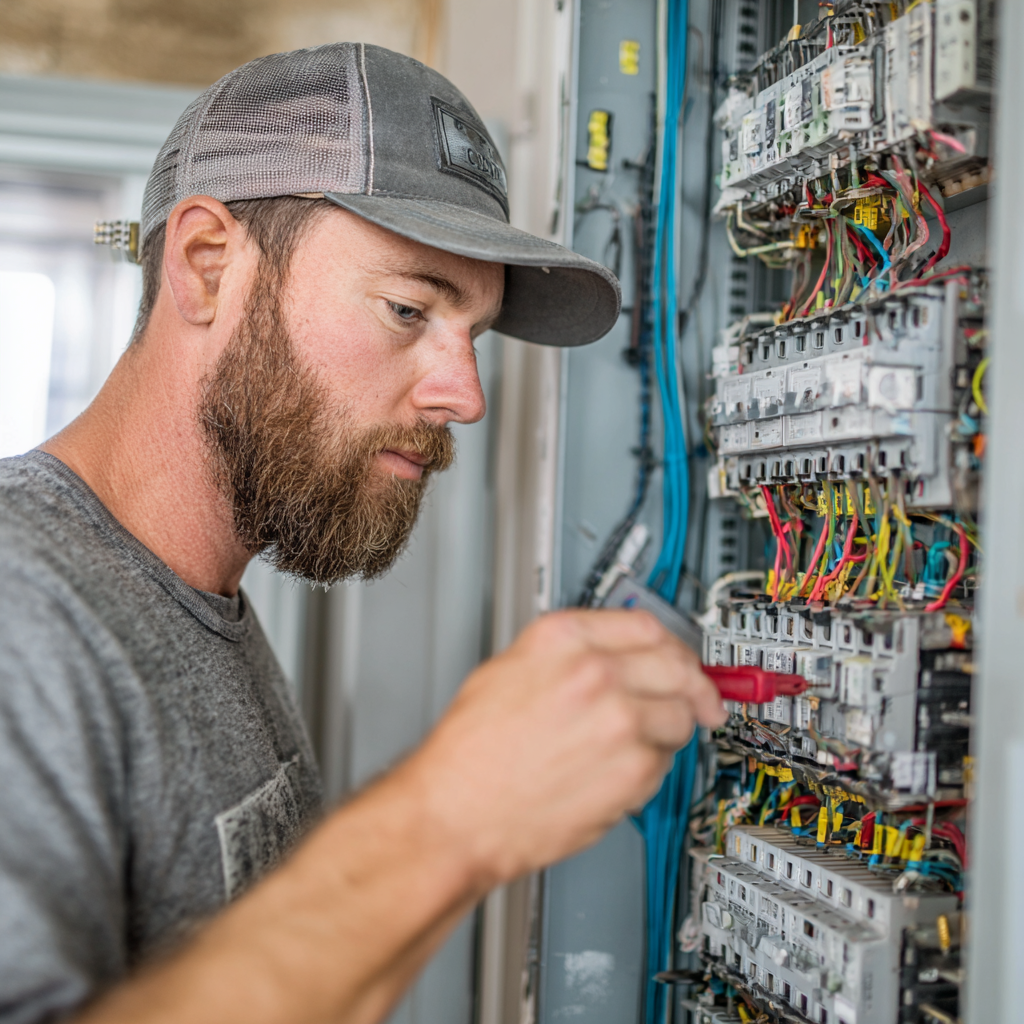
Comprehensive evaluations of your home's electrical system to ensure safety, code compliance, and identify potential issues before they become costly problems.
Electrical inspections provide a thorough evaluation of your home's electrical system, examining all components from the main service panel to individual outlets and fixtures. These inspections help identify potential safety hazards, code violations, and areas that may need attention or upgrades.
During an inspection, licensed electricians examine your electrical panel, circuit breakers, wiring, outlets, switches, grounding systems, and safety devices. They check for proper installation, adequate capacity, and compliance with current electrical codes. The inspection process typically takes several hours depending on the size and complexity of your home's electrical system.
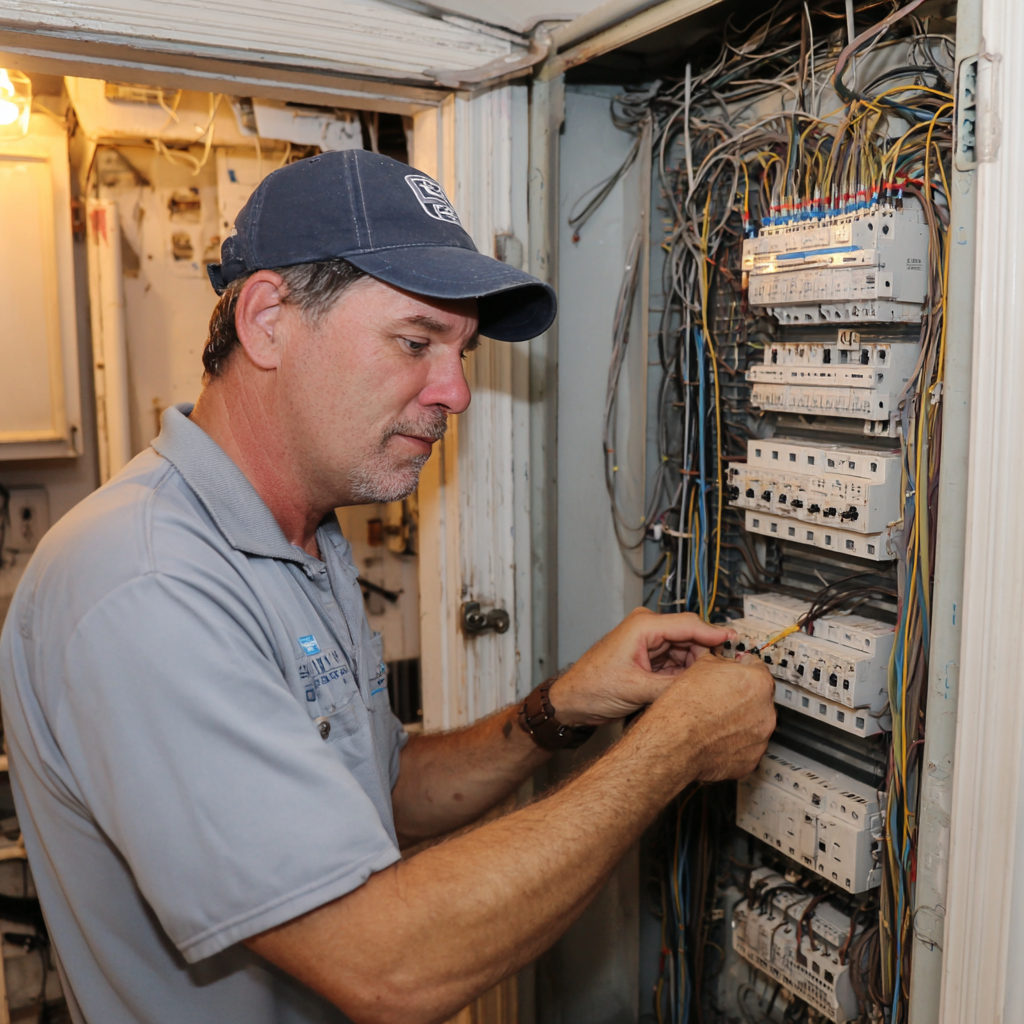
The electrical panel is the heart of your home's electrical system. Inspectors check for proper installation, adequate capacity, signs of damage or overheating, and proper labeling of circuits.
Circuit breakers protect your electrical system from overloads. Inspectors test breakers for proper operation and check that they're appropriately sized for their circuits.
Inspectors examine visible wiring for damage, proper installation, and appropriate wire gauge. They check for outdated wiring types that may need replacement.
All outlets and switches are tested for proper operation, correct wiring, and appropriate safety features like GFCI protection in wet areas.
Proper grounding protects against electrical shock. Inspectors verify that your electrical system has adequate grounding and that ground connections are secure.
GFCI and AFCI devices are checked for proper installation and operation. These devices protect against electrical shock and fire hazards.
Regular electrical inspections help maintain safety and prevent problems. Most homeowners benefit from inspections every 3-5 years, though certain situations require more immediate attention.
If you're purchasing a home, an electrical inspection is typically part of the home inspection process. Older homes, especially those built before 1970, should be inspected more frequently. Homes with additions or major renovations also benefit from inspections to ensure new electrical work meets current codes.
Signs that may indicate you need an inspection include frequently tripping circuit breakers, flickering lights, warm outlets, burning smells, or if your home still has two-prong outlets. If you're planning to add major appliances or home additions, an inspection can help determine if your electrical system has adequate capacity.
After completing the inspection, you'll receive a detailed report documenting findings and recommendations.
Inspection reports include photographs, descriptions of issues found, and explanations of why certain conditions may be problematic. This documentation helps you understand your electrical system's condition.
Issues are typically categorized by priority, helping you understand which problems need immediate attention versus those that can be addressed during planned upgrades.
The report identifies any code violations and explains what needs to be corrected to bring your system into compliance with current electrical codes.
If your system would benefit from upgrades, the report explains what improvements could enhance safety, capacity, or functionality.
Professional electrical inspections help ensure your home's electrical system is safe, code-compliant, and functioning properly. Connect with licensed electricians in your area who provide comprehensive inspection services.